
Getting a chemical peel can be a transformative treatment for your skin, but it’s essential to understand what you’re getting into before taking the plunge. This comprehensive guide will cover everything you need to know before scheduling your first chemical peel treatment.
Understanding Your Chemical Peel Options
Chemical peels come in various depths and formulations, each designed to address specific skin concerns. Whether you’re dealing with acne scarring, sun damage, or fine lines, there’s likely a peel that can help. Your dermatologist can determine the best option based on your skin type and concerns. Light peels use mild acids and are perfect for surface-level concerns, while medium peels penetrate deeper to address more significant issues. Deep peels provide the most dramatic results but require the longest recovery and should only be performed by experienced medical professionals.
The Science Behind How a Chemical Peel Works
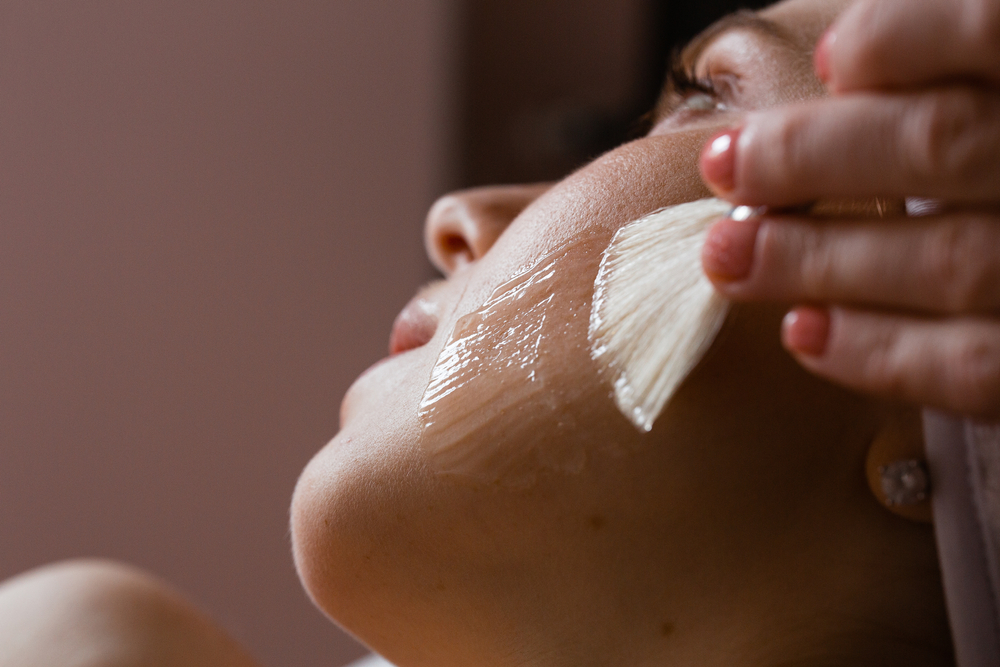
A specially formulated solution is applied to your face during a chemical peel, causing the top layer of skin to exfoliate and eventually peel off. This process reveals fresher, younger-looking skin underneath, stimulating collagen production for long-term benefits. The chemicals used work by breaking down the bonds between dead skin cells, encouraging them to shed and triggering the skin’s natural healing response. This healing process reveals newer skin and boosts collagen production, helping lift and firm the treated area over time.
Why Choose Chemical Peels Over Other Treatments
While laser treatments and surgical procedures have their place, chemical peels offer unique advantages. Unlike surgery, peels require minimal downtime and can be more cost-effective while delivering impressive results. They can be particularly effective for treating acne, fine lines, and uneven skin tone. Compared to laser treatments, chemical peels often provide consistent results across different skin types and can be customized more precisely to your needs. Many patients appreciate that they can usually return to normal activities much sooner than with more invasive procedures.
Your Skin Type Matters
Not all skin types respond the same way to chemical peels. Your esthetician will carefully evaluate your skin’s characteristics during your consultation to determine the most appropriate type and strength of peel. Factors like skin sensitivity, melanin levels, and previous treatments play crucial roles. Those with darker skin tones must be particularly careful, as they may be more prone to post-inflammatory hyperpigmentation. Your natural skin thickness, oil production, and tendency toward scarring will also influence the type of peel recommended.
Health Considerations
Your overall health status can impact your suitability for a chemical peel. Medical conditions, medications, and recent surgeries might affect your treatment plan. Be prepared to discuss your complete medical history during your consultation. This includes any history of cold sores, as peels can trigger outbreaks. Certain medications, particularly those that increase skin sensitivity or affect healing, may need to be temporarily discontinued. If you’ve recently had any facial surgery or other cosmetic procedures, you must wait until you’re fully healed before pursuing a peel.
The Importance of Your Initial Consultation
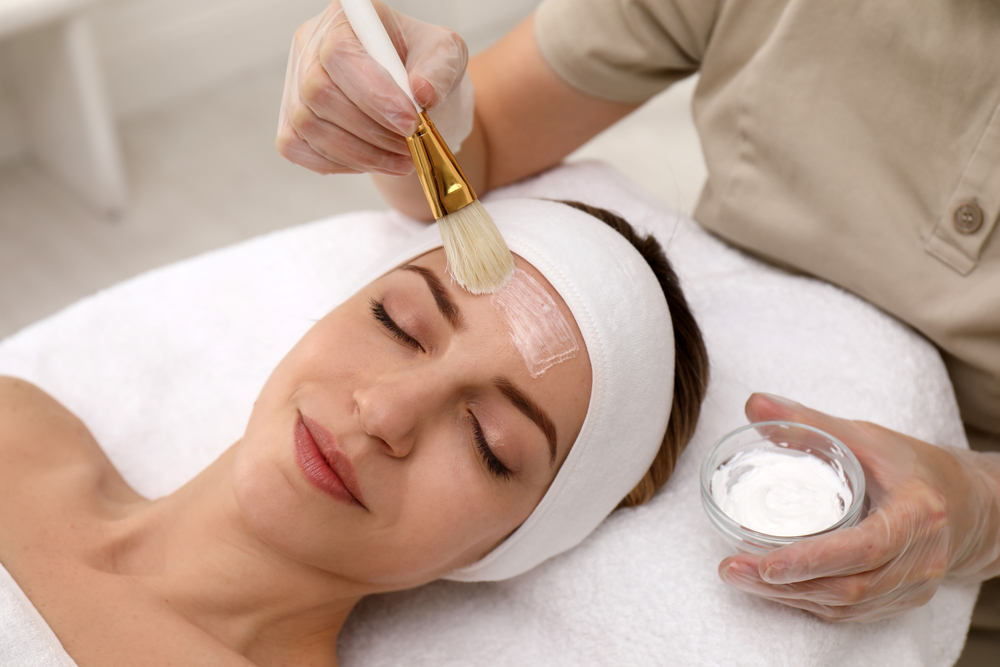
A thorough consultation with your esthetician or dermatologist is crucial before proceeding with any chemical peel treatment. This is your opportunity to discuss your goals and concerns and learn about the procedure in detail. During this meeting, your provider will assess your skin condition, review your medical history, and discuss lifestyle factors that might impact treatment success. They should also show you before and after photos of previous patients and explain the peeling agent they recommend for your case.
Before Your Peel: Essential Preparation Steps
You’ll need to follow specific preparation instructions in the weeks leading up to your peel. This might include avoiding certain skincare products, limiting sun exposure, and possibly using pre-treatment products to optimize your results. Most dermatologists recommend discontinuing retinoids and other aggressive skincare products at least a week before your treatment. You may also be prescribed preventive medications, particularly if you’re prone to cold sores or have sensitive skin. Protecting your skin from sun exposure becomes crucial weeks before your peel.
What to Expect During the Treatment
The actual chemical peel procedure is relatively straightforward, though the experience can vary depending on the depth of your treatment. Your face will be cleansed, and your provider will carefully apply the chemical solution. You may feel sensations ranging from mild tingling to burning, depending on the strength of your peel. The procedure typically takes 30 minutes to an hour, with deeper peels requiring more time and possibly light sedation.
Post-Treatment Care at Home
Proper aftercare is crucial for optimal results and minimal complications. Your treated skin will need special attention in the days and weeks following the procedure. This includes gentle cleansing, moisturizing, and rigorous sun protection. You’ll need to avoid picking or scratching at peeling skin, which can lead to scarring. Your provider will give specific instructions about which products to use and avoid during recovery. Many patients find it helpful to plan their social calendar around their expected peeling timeline.
Planning Your Treatment Timeline
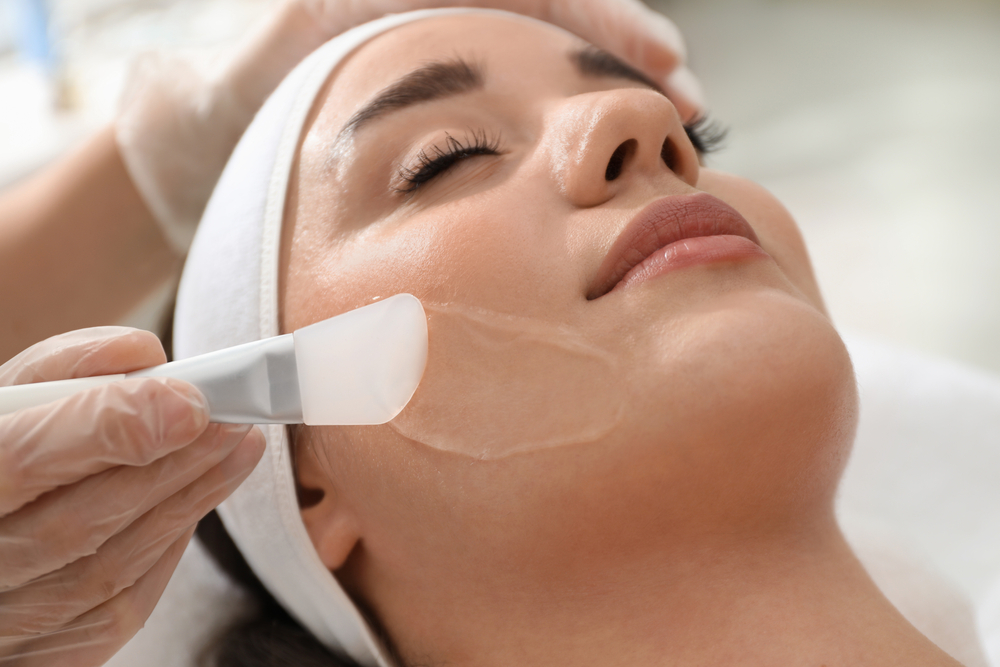
Timing your chemical peel around your schedule is essential. Consider factors like upcoming events, sun exposure, and recovery time when planning your treatment. Some people might need multiple sessions to achieve their desired results. Light peels typically require little to no downtime, while medium and deep peels may require several days off from work or social activities. It’s also important to plan your peel during a time when you can avoid excessive sun exposure and rigorous physical activity.
Making Your Decision
Deciding to get a chemical peel is a personal choice that should be based on careful consideration of your skin goals, lifestyle, and expectations. While the procedure can provide remarkable improvements, it’s important to have realistic expectations and understand the treatment’s benefits and limitations.
Remember, chemical peels are medical procedures that qualified professionals should only perform in a proper medical setting. While there are at-home peeling products available in the community, deep chemical peels require the expertise of a trained dermatologist or medical professional.
If you’re considering a chemical peel, take the time to research qualified providers in your area, read reviews, and schedule consultations with multiple practitioners if needed. The right provider will take the time to understand your goals and create a treatment plan tailored to your specific needs. With proper preparation and care, a chemical peel can be an excellent investment in your skin’s health and appearance.