
In the realm of nail beauty, gel and acrylic nails are two popular options for those seeking treatments. It’s important to understand the difference between these two types of nails, as it will help you determine which treatment is right for your manicure needs. Here’s an in-depth look at the key distinctions between gel and acrylic nails.
What Are Gel Nails?
The Nature of Gel Nails
Gel nails are artificial nails that offer a natural, glossy finish made from a gel-based substance. To harden, gel nails are applied in layers and cured under a UV or LED lamp. This curing process ensures that the gel remains intact and provides a durable, shiny surface that mimics the look of natural nails. Gel extensions are another type of gel manicure that extends the length or shape of a natural nail.
Application Process
The application of gel nails involves several steps. First, the natural nail is cleaned and prepared. A gel polish base coat is applied, followed by a gel color coat. To set it properly, each layer is cured under a UV or LED lamp. The process is completed with a top coat to seal in the gel and add extra shine.
What Are Acrylic Nails?
The Nature of Acrylic Nails
Acrylic nails are created using a mixture of liquid monomer and powder polymer. This mixture forms a hard, durable substance when applied over natural nails or nail tips. Acrylic nails are known for their strength and ability to be shaped into various styles, making them a versatile choice for those who want both durability and design flexibility.
Application Process
The application process for acrylic nails is distinct from that of gel nails. The acrylic mixture is carefully applied to the natural nails or nail tips, then shaped and sculpted to the desired length and form. Once the acrylic has set, it is filed and polished to achieve the perfect finish. This method typically involves a longer application time and requires a skilled technician to ensure a seamless, well-blended result.
Key Differences Between Gel and Acrylic Nails
Durability and Strength
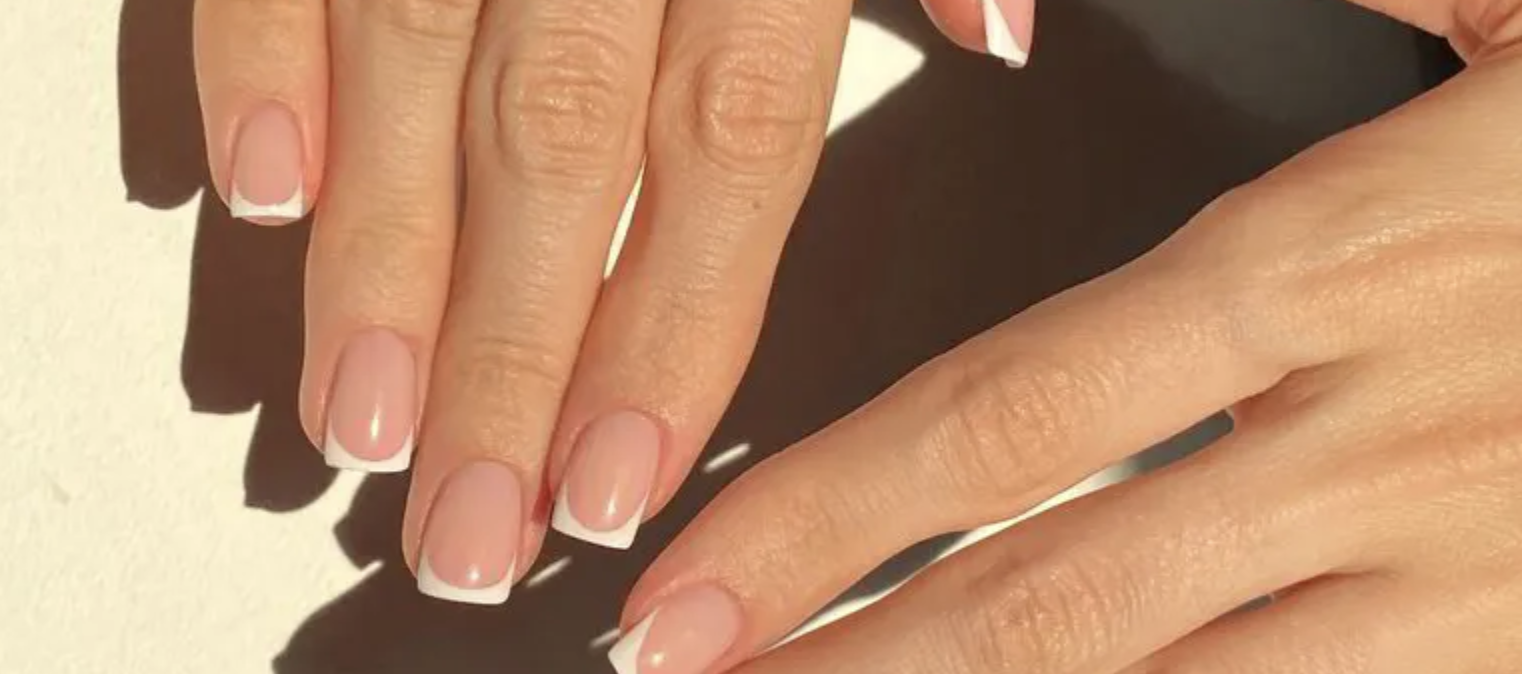
One of the primary differences between gel and acrylic nails is their strength and durability. Acrylic nails are generally more robust and resistant to breaking or chipping than gel nails. This makes them suitable for individuals needing strong, long-lasting nails or engaging in activities that might put extra stress on their nails.
On the other hand, gel nails offer a more flexible alternative. While not as hard as acrylic nails, gel nails are still durable for everyday wear and provide a natural look and feel. They are less likely to crack or break under normal conditions, making them a good option for those who prefer a more natural feel but still want an enhancement.
Flexibility and Comfort
Gel nails are often praised for their flexibility and comfort. The gel formula allows for a more pliable nail that can bend slightly without breaking, closely resembling the natural movement of real nails. This flexibility makes gel nails popular for those who want a more comfortable and natural-looking enhancement.
In contrast, acrylic nails are more rigid and may feel less natural due to their hardness. While this rigidity contributes to their durability, it can also make them less comfortable for some individuals. Acrylic nails can sometimes feel bulky or heavy, especially if extended significantly.
Maintenance and Longevity
Gel Nail Maintenance
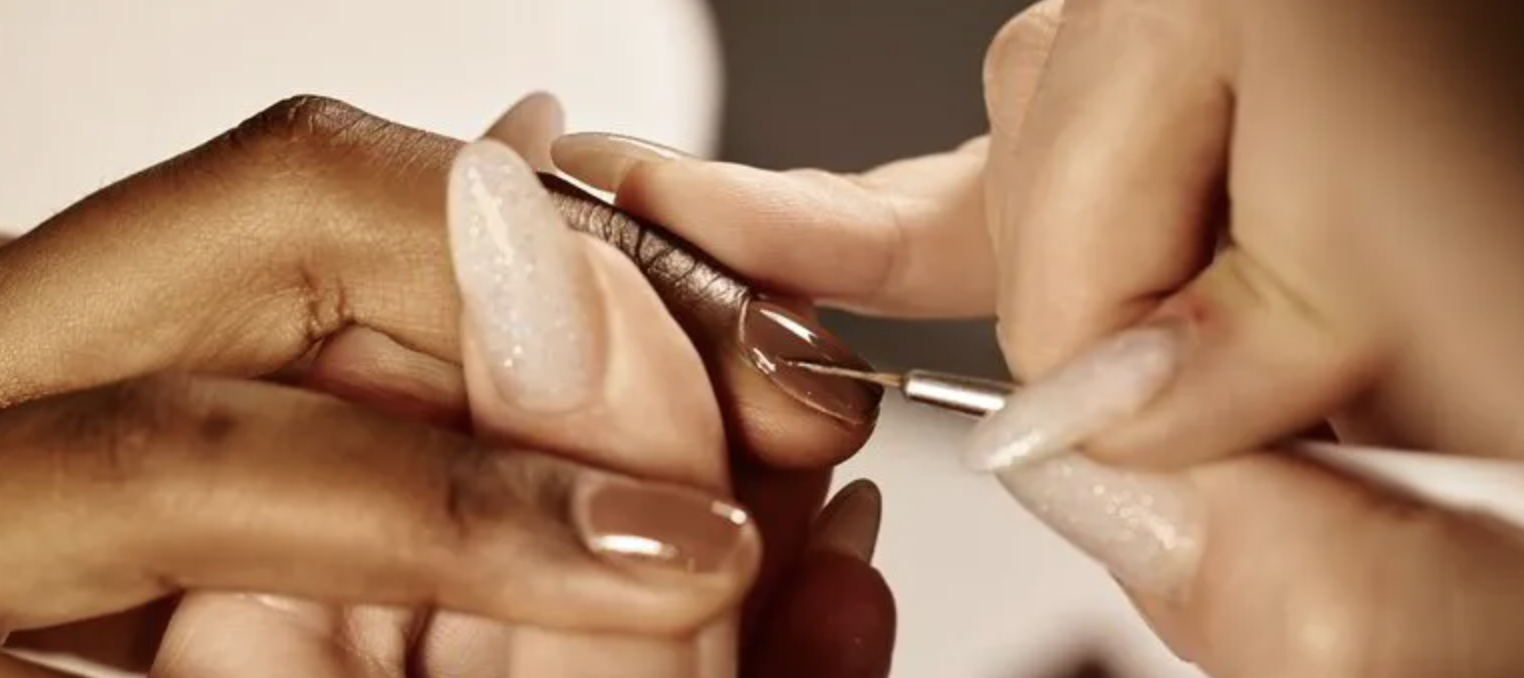
Maintaining gel nails is relatively straightforward. Gel nails generally require fewer touch-ups compared to acrylic nails. They are less prone to lifting and usually remain intact without significant issues. However, as your natural nails grow, you may need to schedule regular appointments to maintain a seamless look. This involves either a fill-in or a complete replacement, depending on the extent of the growth.
Proper cleaning and care are essential to prolong the lifespan of gel nails. Avoiding excessive exposure to water and harsh chemicals can help keep your gel nails looking fresh and vibrant. Regular moisturizing of your cuticles and nails can also prevent dryness and maintain the health of your natural nails.
Acrylic Nail Maintenance
Acrylic nails typically require more frequent maintenance due to their tendency to lift as the natural nails grow. Regular fills and touch-ups are necessary to address gaps and ensure the acrylic remains securely adhered. This maintenance can be more involved than gel nails, as it requires careful application to prevent lifting and maintain the integrity of the acrylic.
Cleaning acrylic nails is crucial to avoid infections or damage. Keeping your acrylic nails free from moisture and contaminants can help prevent issues such as fungal infections. Regular visits to a skilled technician can also help address potential problems before they become significant.
Health and Safety Considerations
Impact on Natural Nails
Both gel and acrylic nails can impact the health of your natural nails, but the extent can vary. Gel nails are generally less damaging to natural nails compared to acrylics. They are less likely to cause thinning or weakening of the natural nails, but improper removal can lead to peeling or damage.
Acrylic nails, while durable, can sometimes lead to issues such as thinning or weakening natural nails if not applied or removed correctly. The process of filing and shaping acrylic nails can also affect the health of your natural nails. Following proper aftercare and removal techniques is essential to minimize any potential damage.
Allergic Reactions and Sensitivities
Allergic reactions and sensitivities can occur with gel and acrylic nails, though the likelihood can vary. Gel nails often use fewer harsh chemicals than acrylic nails, which might reduce the risk of adverse reactions. However, discussing any known allergies or sensitivities with your nail technician before starting the application process is essential.
For individuals with sensitive skin or allergies, opting for high-quality products and ensuring that the application area is properly ventilated can help mitigate potential issues. Always perform a patch test if unsure how your skin will react to the products used.
Aesthetic Differences: Style and Appearance
Gel Nails: A Natural Look
Gel nails are known for their natural and glossy appearance. The gel polish creates a high-shine finish that closely resembles the look of natural nails. This makes gel nails an excellent choice for those who prefer a subtle and sophisticated enhancement. Gel nails can be customized with various colors and finishes, but are generally favored for their elegant and understated look.
Acrylic Nails: Versatility and Design
Acrylic nails offer a wide range of design possibilities. Their strength and versatility allow for various shapes and lengths, making them ideal for more dramatic nail art and custom designs. Whether you’re interested in intricate patterns, bold colors, or extended lengths, acrylic nails provide a solid base for creative expression and support complex designs that might be challenging with gel nails.
Choosing the Right Option for You
Factors to Consider
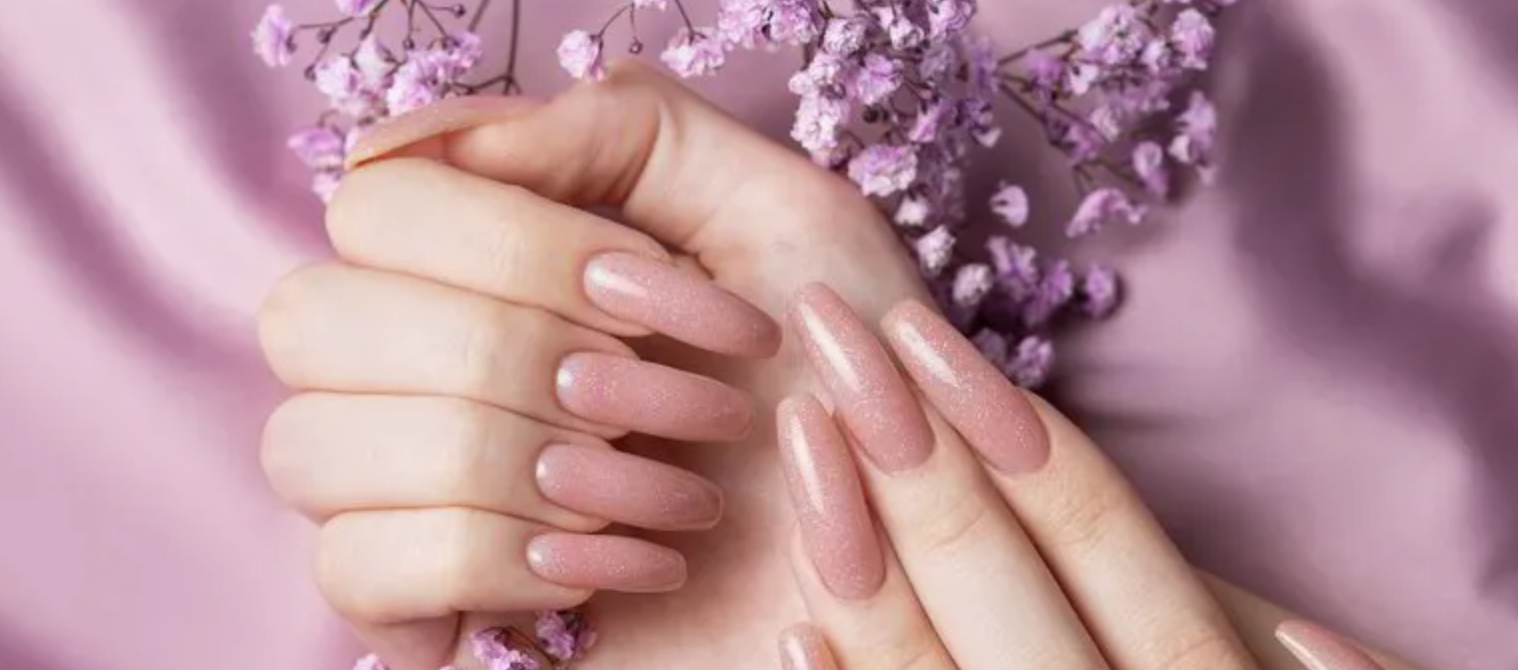
Choosing between gel and acrylic nails depends on various factors, including your desired look, lifestyle, and nail health. Gel nails might be the best option if you prefer a natural, glossy finish with flexible wear. They offer a more natural feel and require less frequent maintenance.
Acrylic nails could be more suitable if you need strong, durable nails and enjoy experimenting with different shapes and lengths. Their robustness and versatility make them popular for those who want long-lasting enhancements and bold designs.