
Booking your first massage is a step toward better physical and mental well-being. A massage can provide numerous benefits if you want to relieve stress, ease muscle tension, or improve your overall health. However, if you’re unfamiliar with what to expect during your first massage, the process can feel a bit daunting.
This guide will walk you through what happens before, during, and after your first massage, helping you feel prepared and relaxed for your upcoming appointment.
Preparing for Your First Massage
How to Schedule Your Appointment
The first step in having a successful massage therapy experience is scheduling your appointment. Many salons and massage therapy centers allow you to book online, over the phone, or via a mobile app. Choose a massage therapist or therapy center with a good reputation when booking your first massage. Checking reviews or asking for recommendations from friends can help ensure that you find a skilled massage therapist who meets your needs.
Once you’ve selected a location, consider what type of massage will be most beneficial for you. If you’re unsure what type of therapy would suit you best, it’s helpful to talk with the salon staff or the therapist when you book your appointment. They can suggest options based on your goals—whether you’re seeking relaxation, pain relief, or a specific therapeutic treatment.
Another important aspect of preparing for your first massage is deciding how long you want your session to be. Sessions typically range from 30 to 90 minutes. For your first massage, 60 minutes is usually ideal, giving enough time for the therapist to work on your body without feeling rushed. If you have particular areas of tension or chronic pain, you may want to consider a longer session.
Things to Consider Before Your Session
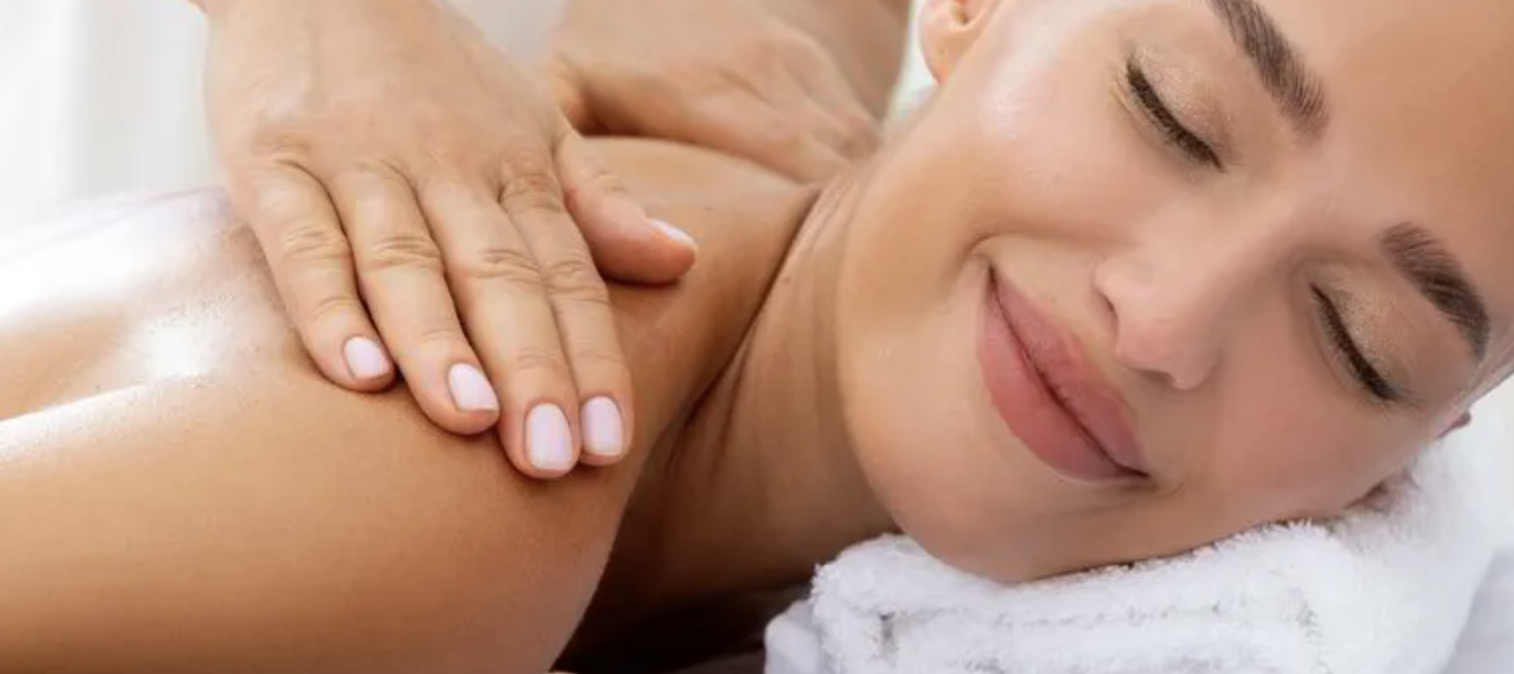
Staying hydrated is a good idea in the days leading up to your first massage. Drinking water helps prepare your muscles for a massage and aids in the elimination of toxins afterward. Avoid heavy meals right before your appointment, as a full stomach can make it uncomfortable to lie face down during the session.
It’s also helpful to think about any specific areas of your body you want the therapist to focus on. Whether you’re dealing with muscle tightness or chronic pain in particular areas of tension, it’s important to communicate these needs clearly to your massage therapist.
Lastly, if you have any health conditions—such as recent surgeries, injuries, or ongoing medical treatments—inform your therapist beforehand so they can adjust the session to accommodate your needs.
What Happens When You Arrive for Your First Massage?
The Check-In Process and Initial Consultation
When you arrive at the salon or massage therapy center for your first massage, you’ll likely be greeted by the front desk staff. They will guide you through the check-in process, typically involving filling out an intake form if you’re a new client. This form is crucial because it gives your massage therapist essential information about your health and well-being. It will ask about your medical history, any injuries, areas of chronic pain, and any other relevant information that could affect the session.
The intake form will also allow you to specify what type of massage therapy you’re seeking, and you can share your expectations for the session. Whether you’re looking for relaxation, pain relief, or a specific focus on areas of tension, this is the time to communicate your needs.
After completing the form, your therapist may take a few minutes to consult with you. This conversation is an opportunity to clarify any questions or concerns you have. If this is your first massage, let them know so they can explain what to expect. You can also discuss the pressure level you’d prefer—some people enjoy a light, relaxing touch, while others might need firmer pressure to work out muscle knots and tension. Your comfort is the priority during this initial consultation.
Your First Massage: What to Expect in the Treatment Room
Preparing for Your Massage Session
Once the initial consultation is complete, your therapist will lead you to the treatment room. This room is designed to create a calming and serene environment, often featuring dim lighting, soft music, and aromatherapy to help you relax. The therapist will explain how the session will proceed and step out of the room, giving you privacy to undress and get comfortable on the massage table.
It’s important to remember that during a massage, only the areas being worked on will be uncovered, with the rest of your body securely draped. This ensures both your modesty and comfort. Most clients remove all clothing except underwear, but it’s perfectly fine to undress only to your comfort level. Your therapist is trained to ensure you feel secure and respected throughout the session.
Once you’re ready and lying on the table, the therapist will knock softly before re-entering the room. They will then begin your massage, often with broad, gentle strokes to warm up your muscles before moving to more focused techniques. If this is your first massage, your therapist may take a more cautious approach, gradually increasing pressure to avoid overwhelming you.
Techniques Used During Your First Massage
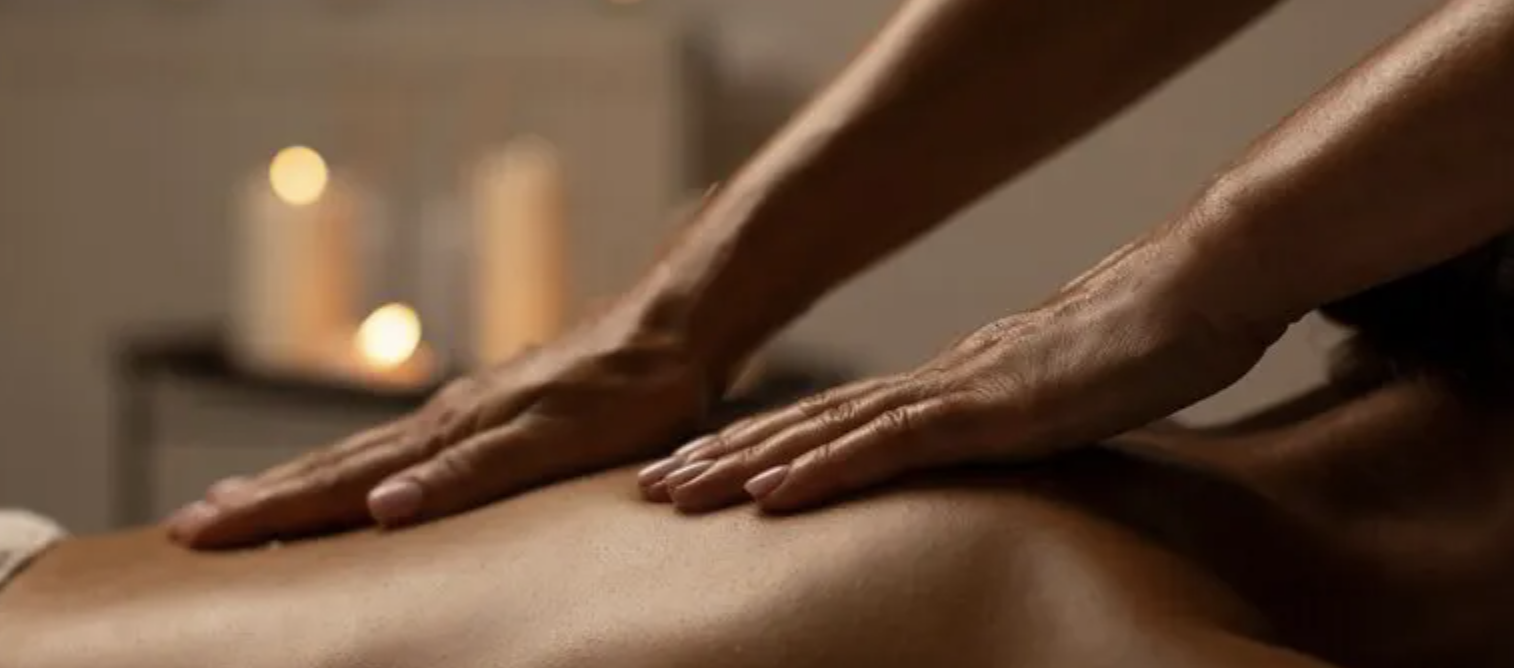
Massage therapists use various techniques to address different concerns and needs. The specific techniques used in your first massage will depend on the type of therapy you’re receiving, but some common ones include:
- Effleurage: Long, gliding strokes are often used to begin and end a session, helping warm the muscles and promote relaxation.
- Petrissage: This involves kneading and rolling the muscles to release tension and improve circulation.
- Friction: Focused pressure applied in circular or transverse motions to target deeper layers of muscle and fascia.
These techniques will be applied based on your comfort level, and your therapist will check in with you periodically to ensure the pressure is suitable. Don’t hesitate to speak up if anything feels too intense or if you’d prefer more focus on a specific area.
Different Types of Massage Therapy You Can Choose
Finding the Right Therapy for Your First Massage
There are many types of massage therapy available, each offering unique benefits. Here are some of the most popular types of massages that you might encounter when booking your first session:
- Swedish Massage: This is one of the most common types of massage therapy, especially for beginners. It involves light to moderate pressure and is designed to promote relaxation, relieve muscle tension, and improve circulation. Swedish massage is perfect if you’re looking for a relaxing first massage experience.
- Deep Tissue Massage: If you have chronic pain, stiff muscles, or areas of tension, a deep tissue massage might be the right choice. This type of massage uses firmer pressure to target the deeper layers of muscle and connective tissue, helping to release tightness and improve mobility.
- Hot Stone Massage: For a soothing and deeply relaxing experience, hot stone massage incorporates smooth, heated stones placed on key points of the body. The heat helps to loosen tight muscles, making it easier for the therapist to work on deep tissue areas.
- Sports Massage: Ideal for athletes or those with active lifestyles, sports massage focuses on preventing and treating injuries, improving flexibility, and enhancing performance. This type of massage therapy is more targeted and specific to muscle groups used in your sport or activity.
- Prenatal Massage: If you’re expecting, prenatal massage is designed to support the body during pregnancy. It helps alleviate discomfort, reduce stress, and promote relaxation while being gentle and safe for you and your baby.
When booking your first massage, selecting a therapy that aligns with your goals, whether you’re looking for relaxation, therapeutic relief, or muscle recovery, is essential.
Communicating with Your Massage Therapist Throughout the Session
The Importance of Open Communication During Your Massage
Communication is key to ensuring your first massage is a positive and beneficial experience. Your massage therapist will likely ask you questions at the start of the session to confirm your preferences for pressure, focus areas, and any specific concerns. Throughout the massage, they’ll continue checking in to ensure you’re comfortable.
Let your therapist know if the pressure feels too light or intense. Don’t hesitate to speak up if you’re experiencing discomfort or would like more focus on a particular area. Your massage therapist is there to customize the session to meet your needs.
Some people worry about talking too much during a massage. entirely up to you—if you prefer to chat, your therapist will follow your lead. However, if you’d rather enjoy the silence and focus on relaxation, your therapist will also respect that. The most important thing is communicating in a way that makes you feel comfortable.
What to Expect After Your First Massage
Immediate and Long-Term Benefits of Massage Therapy
After your first massage, you may feel immediate relaxation and relief. Many people experience a sense of calm, reduced stress, and muscle tension relief. However, it’s also normal to feel slightly sore or tired afterward, especially if deep tissue techniques were used during the session. This soreness should subside within a day or two, and you can help ease any discomfort by drinking plenty of water and taking it easy after your appointment.
The benefits of massage therapy often extend beyond the immediate session. Regular massage can improve circulation, reduce chronic pain, increase flexibility, and promote overall well-being. Whether you’re using massage for relaxation or as part of a therapeutic plan, consistency can amplify the benefits.
Continuing Your Wellness Journey with Regular Sessions
If you enjoyed your first massage and found it beneficial, consider making massage therapy a regular part of your wellness routine. Many people schedule monthly sessions to manage stress, improve their body’s overall function, and maintain balance. If you have specific goals, such as chronic pain management or injury recovery, your therapist can work with you to develop a personalized plan that includes regular sessions.
Incorporating regular massage therapy into your life can improve your physical and mental health, making it an investment in your overall well-being.
Your first massage appointment is an opportunity to relax, unwind, and experience the many benefits of massage therapy. Knowing what to expect before, during, and after your session, you can ensure that the experience is comfortable and tailored to your needs. Whether you’re seeking relaxation, pain relief, or enhanced physical function, massage therapy can be a powerful tool for improving your health and well-being. By communicating openly with your therapist and taking the time to prepare, your first massage can be the start of a rewarding journey toward better health.